Occupational Therapy for Teens and Young Adults
Independence and Daily Living
Executive Functioning and Organization
Executive Functioning and Organization
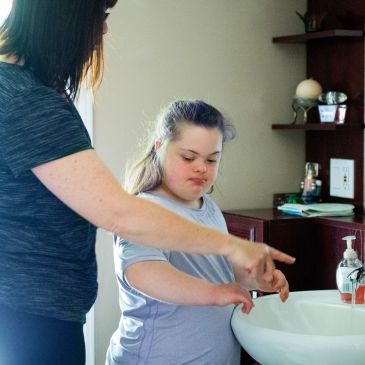
Occupational Therapists help youth and young adults build skills for becoming more independent with everyday activities, such as dressing, grooming, meal preparation, managing belongings, and navigating daily routines.
Executive Functioning and Organization
Executive Functioning and Organization
Executive Functioning and Organization
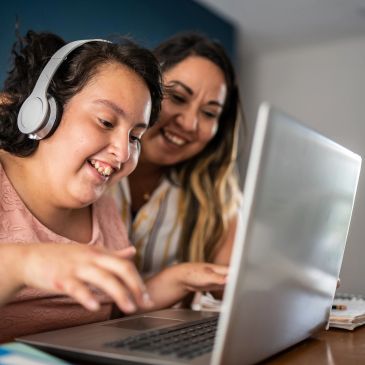
Occupational Therapy can support planning, organization, time management, starting and finishing tasks, remembering responsibilities, managing schedules, and breaking larger tasks into manageable steps.

Sensory Processing and Regulation
Executive Functioning and Organization
Sensory Processing and Regulation
Some youth experience sensory input differently or can become overwhelmed by sounds, textures, movement, crowds, or busy environments. Occupational therapists can help identify individual sensory needs and develop strategies that make everyday environments and activities more manageable.

School, Work and Life Skills
Social, Recreation and Community Participation
Sensory Processing and Regulation
Occupational therapists can help youth develop practical skills for success at school, work, volunteering, or other settings. This may include organization, written work, using technology, managing routines, problem-solving, and adapting tasks or environments to make participation easier.

Physical and Fine Motor Skills
Social, Recreation and Community Participation
Social, Recreation and Community Participation
Occupational Therapists can help with coordination, hand skills, handwriting, keyboarding, using tools, and other physical skills needed for everyday activities. They can also recommend equipment, adaptations, or alternative ways of completing tasks to support independence.
Social, Recreation and Community Participation
Social, Recreation and Community Participation
Social, Recreation and Community Participation
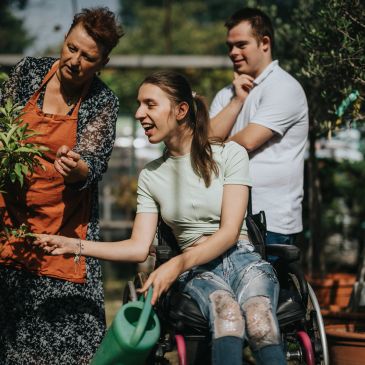
Occupational Therapy can support young people in participating in activities they enjoy, including sports, hobbies, recreation, social activities, and community outings. Therapy may focus on building confidence, navigating new environments, and finding strategies that make activities more accessible and enjoyable.